Two sides of one service
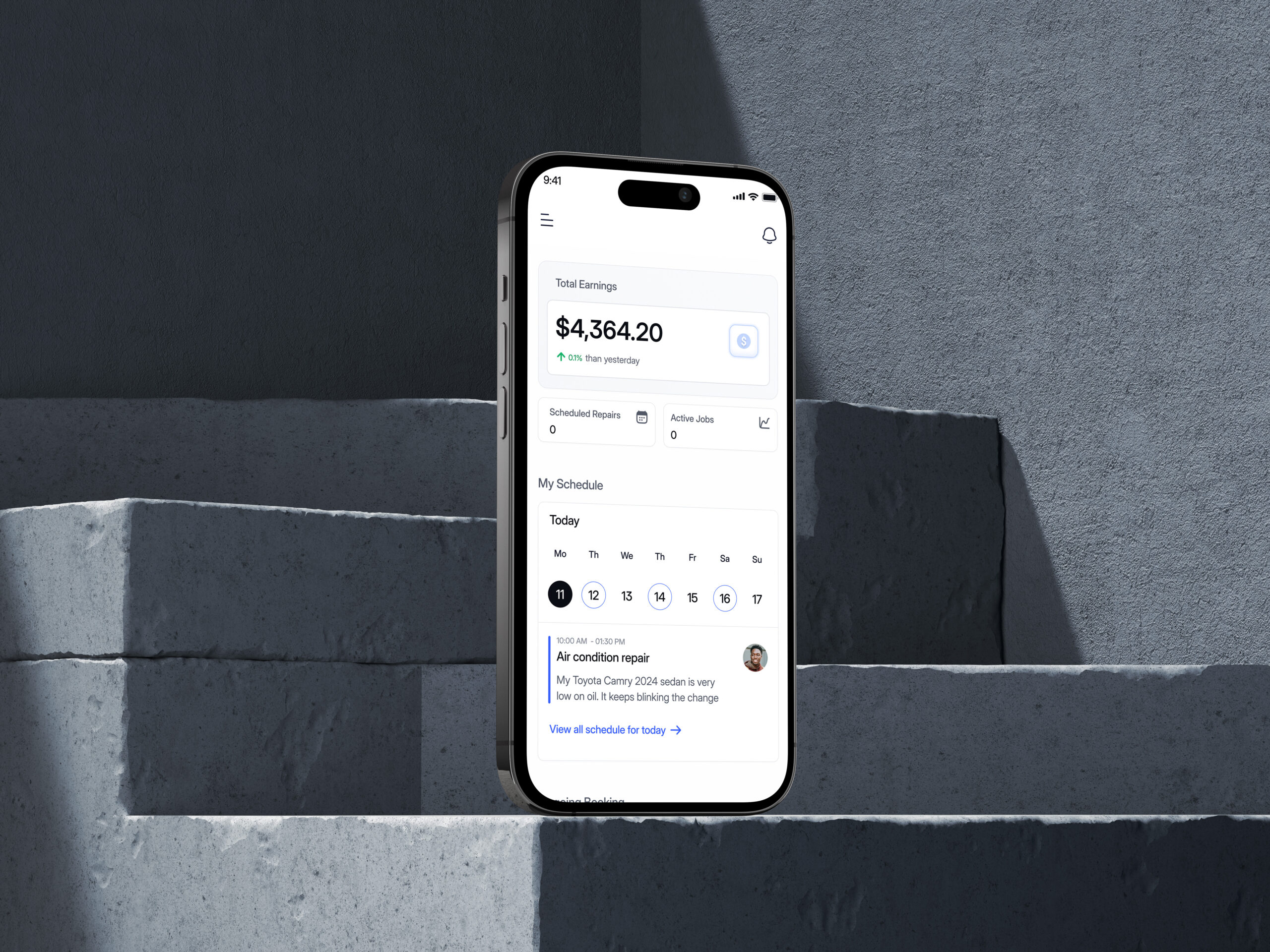
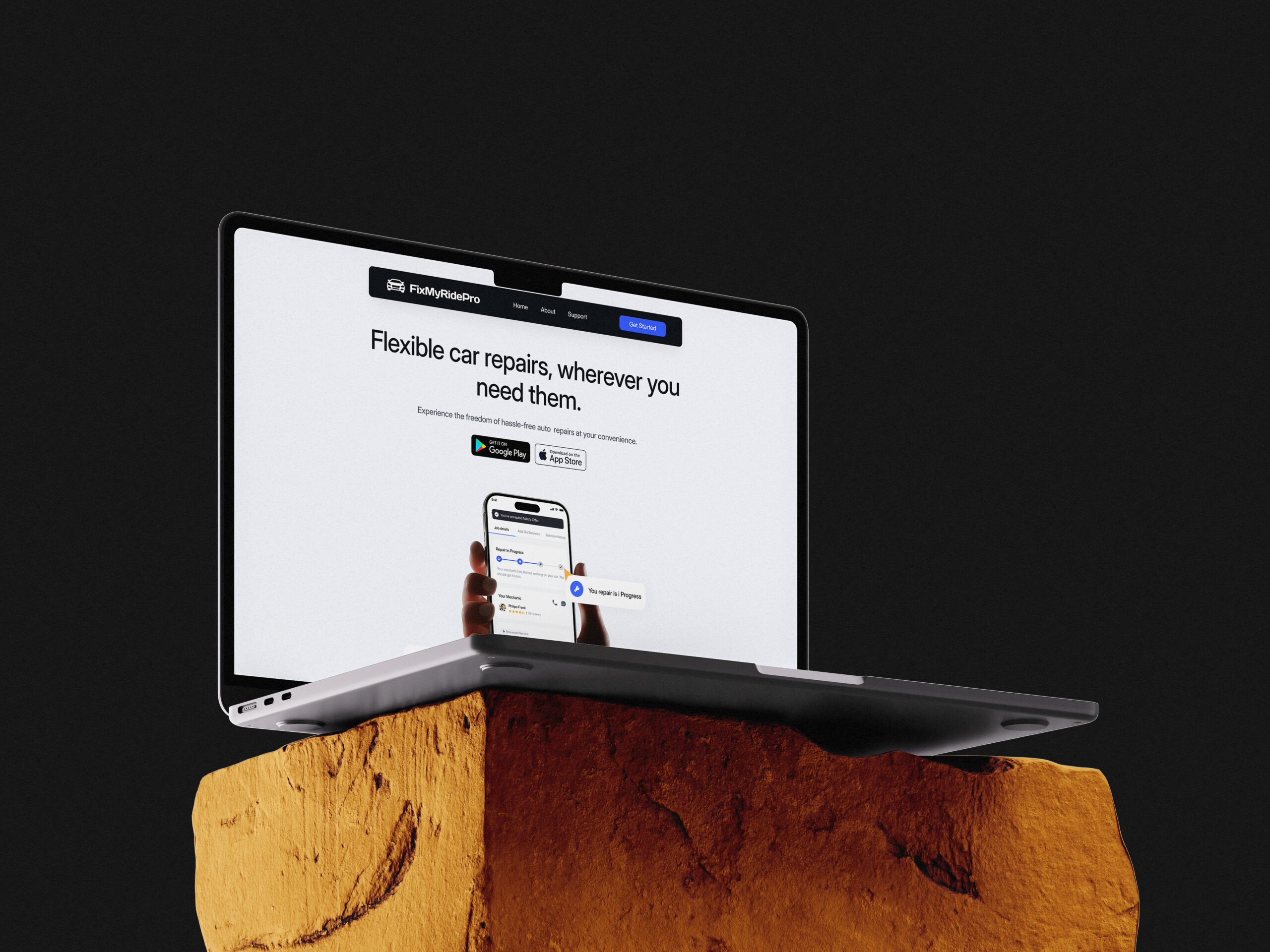
FixMyRide Pro is a US-based two-sided marketplace that connects vehicle owners with mobile mechanics. I was brought in through Grone Studios to lead product design across both sides of the platform — the consumer-facing booking experience and the mechanic-facing operations dashboard. Two-sided marketplace design is a distinct challenge: every interaction on one side has a direct consequence on the other, and building trust has to work for two very different types of people at once.
Where coordination broke
On-demand repair services have a fundamental trust deficit. Customers booking a mechanic they have never met need to know who is coming, what to expect, and what happens if something goes wrong. Mechanics, on the other hand, cannot use a tool that adds friction to an already demanding job — they need fast, clear information about their schedule, their jobs, and their customer's situation. The existing product had no clear answer to either problem: bookings were ambiguous, status updates were inconsistent, and the mechanic dashboard was too heavy to use efficiently in the field.
Clarity across the service loop
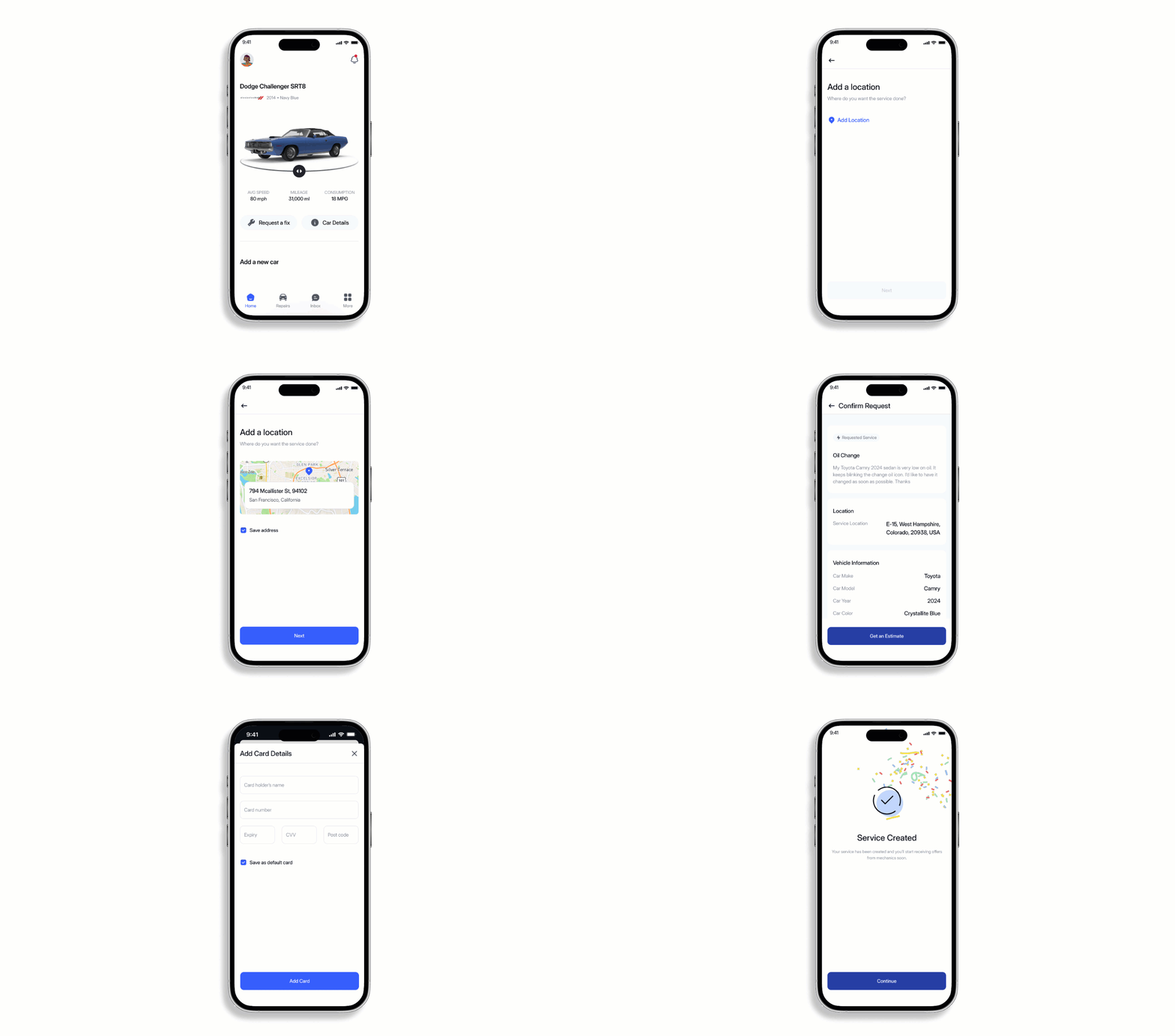
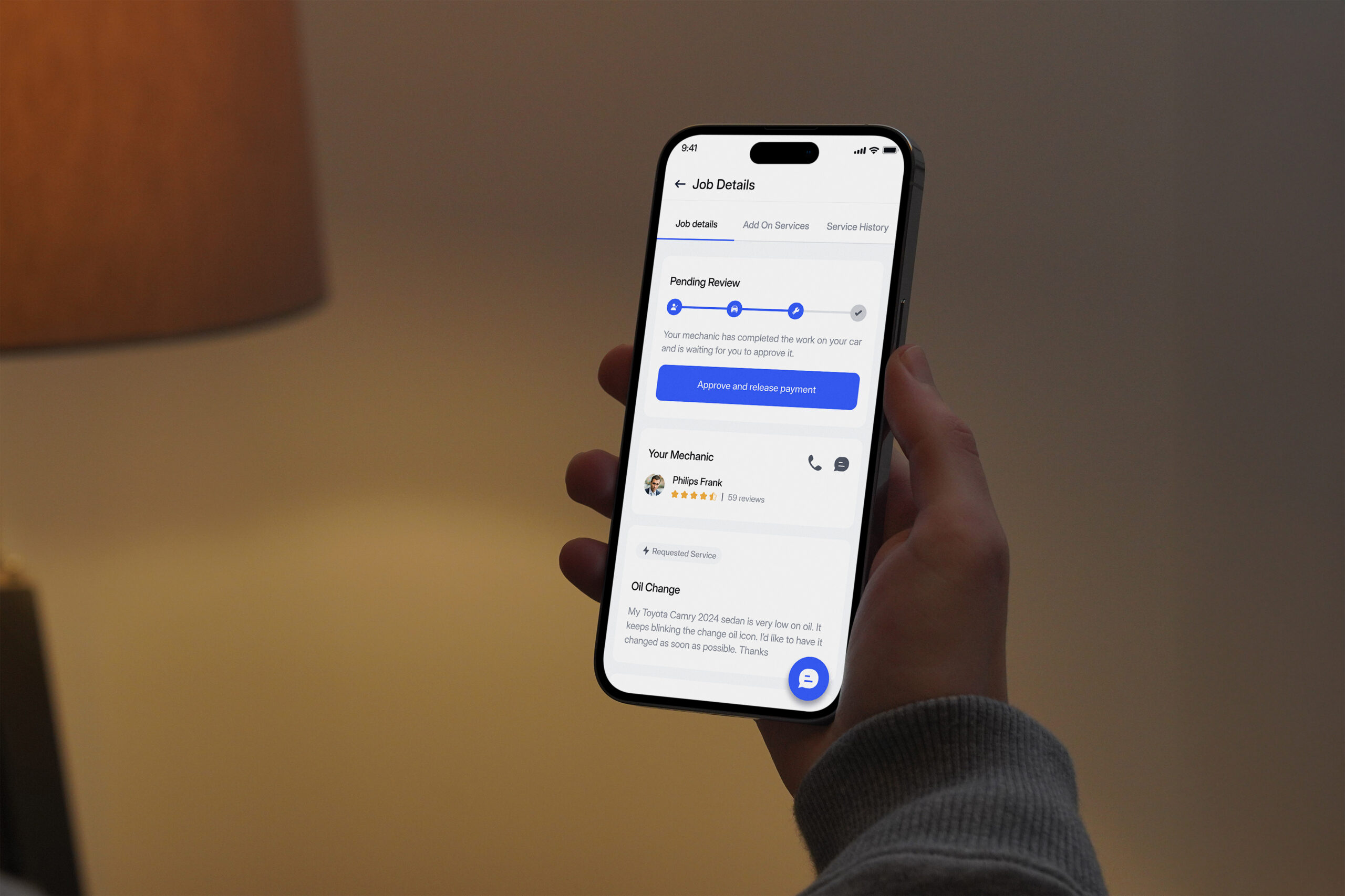
I designed a cohesive product system around three core problems: booking clarity, service transparency, and operations efficiency. On the customer side, the booking flow was restructured around clearer service selection, real-time availability, mechanic profiles, and status tracking that kept users informed from booking confirmation to job completion. On the mechanic side, I designed a lightweight operations dashboard built for real-world field use — prioritising job details, customer context, and schedule management without overwhelming a user who is often working with dirty hands and limited time.
Designing for field reality
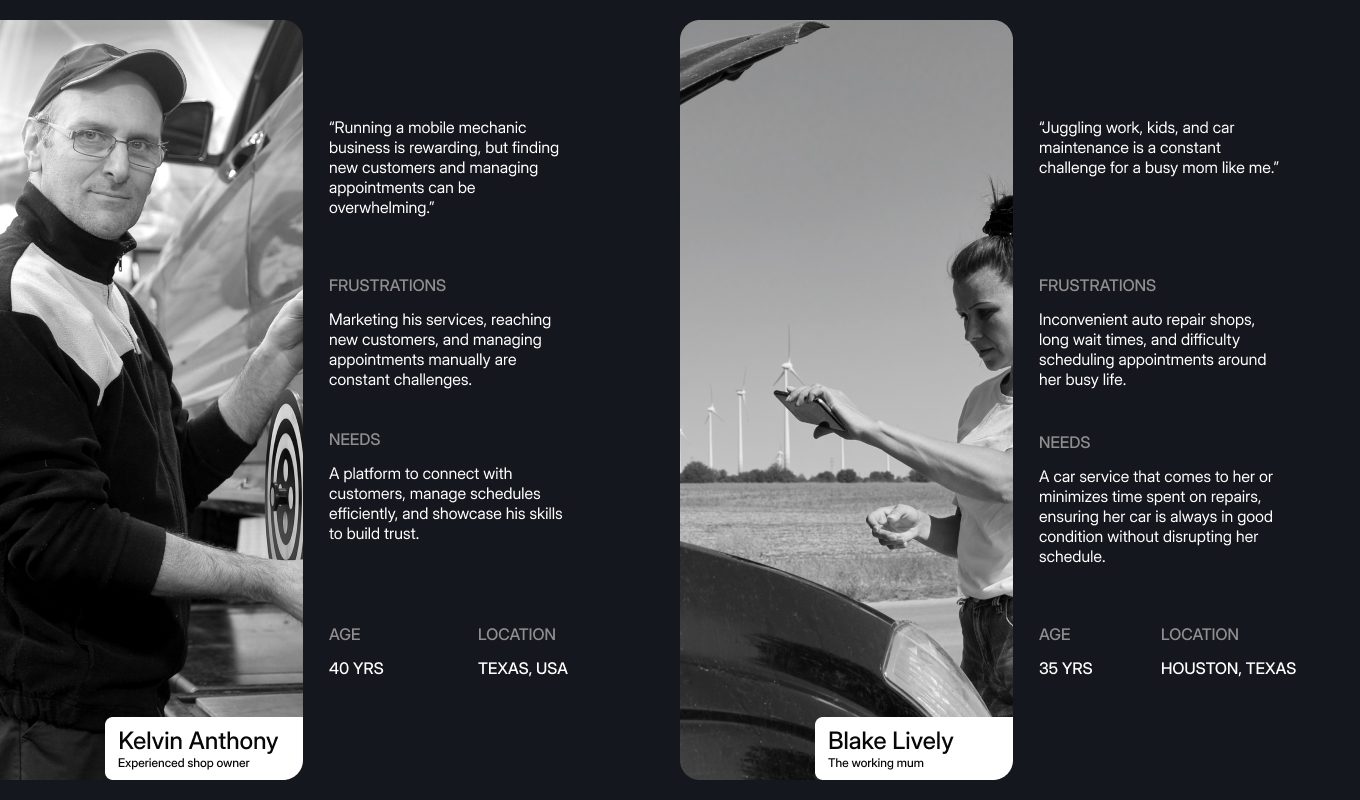
I studied customer and mechanic needs separately, then designed the shared service states that had to keep both sides informed from booking to completion.
- Interviewed customers and mechanics separately to understand the distinct emotional and practical needs on each side of the marketplace before designing anything.
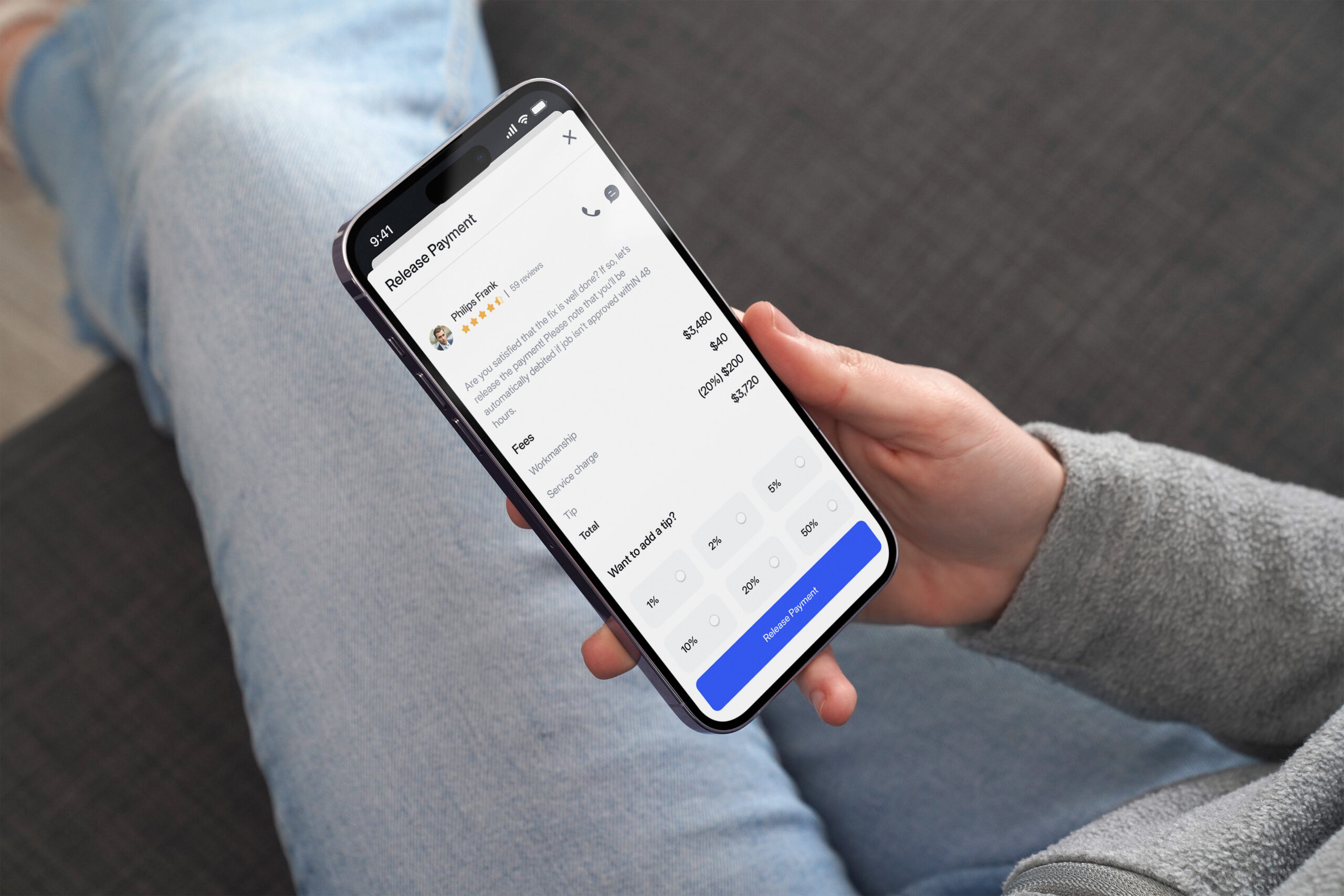
- Mapped the full service lifecycle — discovery, booking, confirmation, job execution, completion, and payment — and identified the exact moments where trust and coordination broke down for each user type.
- Designed a customer booking flow that balanced simplicity with enough information to make the decision feel safe: mechanic profiles, ratings, service descriptions, and transparent pricing.
- Built a mechanic operations dashboard optimised for field use — clear typography, minimal navigation, and fast-loading job cards that worked in low-connectivity conditions.
- Designed shared status-tracking and communication touchpoints that kept both sides of the marketplace informed without requiring redundant manual updates.
- Validated interaction patterns through rapid prototyping and user testing before committing to production screens.
A more dependable marketplace
The redesigned platform resolved the coordination and trust gaps that had been making both sides of the marketplace harder to use. Customers gained a booking experience with clear expectations and real-time service visibility. Mechanics gained a field-ready dashboard that reduced the overhead of managing jobs and communicating with customers. The two-sided design approach — building both experiences as a connected system rather than separately — produced a product that felt coherent and reliable across the full service loop.